If there is any action that President Donald Trump has taken since his inauguration that George Stigler and Sam Peltzman would be proud of, it would be the drastic reduction in regulations that the administration has engendered. The President made a promise during his
2016 campaign to cut two established regulations for every new one implemented, and by most policy analysts' evaluations he has largely kept that promise (so far). The Trump Administration has added a net of a zero new regulations to the Federal Register since its ascendancy in the beginning of 2017. The regulations that have been particularly targeted for cuts are those that are duplicative, grossly outdated, and excessively costly to smaller firms in various industries. Therefore, Stigler and Peltzman would approve of Trump's deregulatory agenda principally for its effect of helping to make markets more competitive by stripping down regulatory entry barriers in various industries dominated by large firms. As Stigler theorized, "every industry or occupation that has enough political power to utilize the state will seek to control entry." Moreover, not only is there an estimated $2 trillion in annual regulatory costs imposed upon the US economy by all levels of government, the
deadweight loses and productivity declines that are hard to calculate make the regulatory burden much more onerous than it superficially appears from a simple accounting perspective.
This is not to say that there is a need for some regulations to assist in mitigating market failures caused by externalities, but with just under
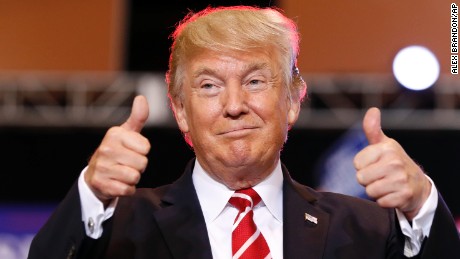
100,000 pages in the Federal Register in 2016 alone, obviously many of these rules and restrictions are not achieving such magnanimous public purposes. Allocative efficiency would be much better promoted in more oligopolistic industries, such as the petroleum, pharmaceuticals, and beer industries, if established firms in these industries were not insulated from needing to innovate and cut costs as much as they are now as a result of regulations shielding them from the entrance of new competitors. Therefore, despite Trump being economically illiterate on many fronts, his deregulatory agenda would be given a thumbs up by the great economists Stigler and Peltzman.


No comments:
Post a Comment